Showing posts with label Yoga. Show all posts

A brief Overview of How to Lead a Healthy Life


What is Health?


Health is a broad topic that encompasses physical, mental, and emotional well-being.

Here are some key aspects of health:

Physical Health:


Physical health refers to the state of your body and its ability to function optimally.
Maintaining physical health involves:

1. Eating a balanced diet rich in fruits, vegetables, whole grains, lean proteins, and healthy fats.

2. Engaging in regular exercise and physical activity to strengthen your muscles, improve cardiovascular health, and maintain a healthy weight.

3. Getting adequate sleep allows your body to rest and rejuvenate.

4. Avoiding harmful substances such as tobacco, excessive alcohol, and drugs.

5. Practicing good hygiene habits, such as regular handwashing and dental care, to prevent the spread of infections and maintain overall health.


Mental Health:
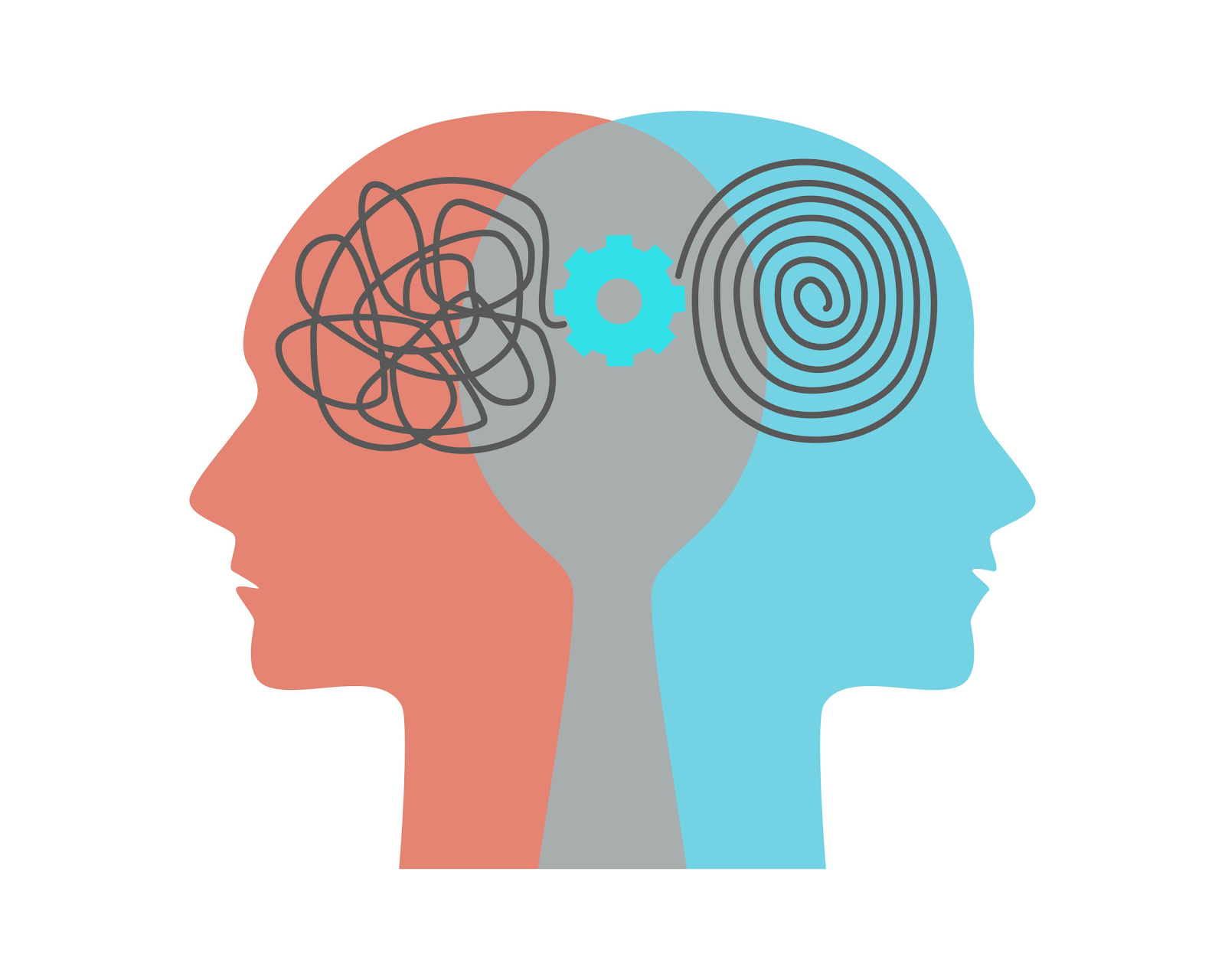


Mental health refers to your emotional and psychological well-being.
Maintaining mental health involves:

1. Practicing self-care activities that promote relaxation, stress reduction, and emotional well-being, such as meditation, mindfulness, or hobbies.

2. Seeking social support from friends, family, or mental health professionals when needed.
Building resilience and coping skills to deal with life's challenges and setbacks.

3. Being aware of your emotions and thoughts and taking steps to manage them healthily.

4. Recognizing and addressing mental health issues such as depression, anxiety, or other mood disorders through therapy, counseling, or medication if necessary.

Emotional Health:


Emotional health is closely related to mental health and refers to your ability to manage and express your emotions healthily.

Maintaining emotional health involves:

1. Cultivating self-awareness and emotional intelligence to understand and regulate your emotions.

2. Building healthy relationships based on mutual respect, communication, and support.

3. Expressing your emotions constructively, such as through creative outlets, journaling, or talking to a trusted friend or therapist.

4. Practicing empathy and compassion towards yourself and others.
Setting boundaries and taking care of your emotional needs without neglecting them.

How to Lead a Healthy Life?

Leading a healthy life involves taking care of your physical, mental, and emotional well-being. Here are some general guidelines to help you lead a healthier lifestyle:


Balanced Diet:


  • Eat a variety of foods from all food groups, including fruits, vegetables, whole grains, lean proteins, and healthy fats.

  • Limit processed foods, sugary drinks, and excessive intake of salt, sugar, and saturated fats.

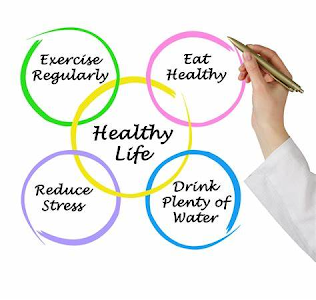
  • Stay hydrated by drinking plenty of water throughout the day.

Regular Exercise:


  • Aim for at least 150 minutes of moderate aerobic activity or 75 minutes of vigorous aerobic activity per week, along with muscle-strengthening activities on two or more days per week.

  • Find activities you enjoy, whether it's walking, running, cycling, swimming, dancing, or playing sports.

  • Incorporate physical activity into your daily routine, such as taking the stairs instead of the elevator or walking instead of driving for short distances

Adequate Sleep:


  • Aim for 7-9 hours of quality sleep per night for adults. Children and teenagers need even more sleep.
  • Create a relaxing bedtime routine and maintain a consistent sleep schedule, even on weekends.

  • Ensure your sleep environment is conducive to rest, with a comfortable mattress, pillows, and a cool, dark, and quiet room.

Stress Management:


  • Practice stress-reduction techniques such as deep breathing, meditation, mindfulness, yoga, or tai chi.

  • Set realistic goals and priorities, and learn to say no when necessary to avoid overcommitting yourself.

  • Take breaks during the day to relax and recharge, whether it's through short walks, listening to music, or engaging in hobbies you enjoy.

Healthy Relationships:


  • Cultivate supportive relationships with family, friends, and colleagues. Surround yourself with positive influences and people who uplift you.

  • Communicate openly and honestly with others, and practice active listening and empathy.

  • Set boundaries to protect your emotional well-being and prioritize relationships that bring out the best in you.

Regular Health Check-ups:


  • Schedule regular visits to your healthcare provider for preventive screenings, vaccinations, and health assessments.

  • Be proactive about your health by addressing any concerns or symptoms promptly and following your healthcare provider's recommendations.

Mindful Consumption:


  • Limit alcohol consumption and avoid smoking or using tobacco products.

  • Be mindful of your screen time and limit exposure to digital devices, especially before bedtime.

  • Practice moderation in all aspects of life, including food, alcohol, caffeine, and recreational activities.

Continuous Learning and Growth:


  • Engage in lifelong learning and personal development to stimulate your mind and expand your knowledge.

  • Pursue hobbies and interests that bring you joy and fulfillment, whether it's learning a new skill, exploring creative outlets, or engaging in cultural activities.


Leading a healthy life is about finding balance and making sustainable choices that promote your overall well-being. It's important to listen to your body, prioritize self-care, and make choices that support your physical, mental, and emotional health.


Reduce Stress, Sleep More Soundly, And Lead A More Successful Life With Guided Meditation Videos at Grokker.com!

read more →

A Guide to Leading a Healthy Life: Key Habits for Well-Being


In our fast-paced world, the pursuit of a healthy life has become increasingly crucial. Leading a healthy lifestyle is not just about avoiding illness; it's about cultivating habits that promote physical, mental, and emotional well-being. 


Here, we'll explore key aspects of a healthy life and provide practical tips to help you achieve and maintain overall health.


Balanced Nutrition:


A healthy life starts with proper nutrition. Aim for a well-balanced diet that includes a variety of fruits, vegetables, whole grains, lean proteins, and healthy fats. Limit processed foods, sugary snacks, and excessive consumption of caffeine and alcohol. Stay hydrated by drinking an adequate amount of water throughout the day.


Regular Exercise:


Physical activity is a cornerstone of a healthy lifestyle. Incorporate regular exercise into your routine, aiming for at least 150 minutes of moderate-intensity exercise or 75 minutes of vigorous-intensity exercise per week. Choose activities you enjoy, whether it's walking, jogging, swimming, yoga, or weight training.


Quality Sleep:


Adequate and restful sleep is essential for overall health. Aim for 7-9 hours of quality sleep each night. Establish a consistent sleep schedule, create a relaxing bedtime routine, and optimize your sleep environment by keeping it dark, quiet, and cool.


Stress Management:


Chronic stress can have detrimental effects on your health. Practice stress-reducing techniques such as meditation, deep breathing exercises, yoga, or mindfulness. Identify and address the sources of stress in your life, and prioritize activities that bring you joy and relaxation.


Social Connections:


Maintaining healthy relationships and social connections is crucial for mental well-being. Nurture your connections with family and friends, engage in positive social activities, and seek support when needed. Strong social ties contribute to a sense of belonging and emotional resilience.


Mental Well-Being:


Take care of your mental health by paying attention to your thoughts and emotions. Practice self-care, engage in activities that bring you joy, and seek professional help if you're struggling. Cultivate a positive mindset, practice gratitude, and embrace challenges as opportunities for growth.


Preventive Healthcare:


Regular check-ups and preventive healthcare measures are essential for early detection and management of potential health issues. Schedule regular screenings, vaccinations, and dental check-ups. Be proactive in managing your health to prevent the development of chronic conditions.


Hygiene and Safety:


Maintain good hygiene practices to prevent the spread of infections. Practice proper handwashing, oral hygiene, and personal cleanliness. Additionally, prioritize safety by wearing seat belts, using protective gear, and following safety guidelines in various activities.


Final Thoughts

Leading a healthy life is a holistic endeavor that encompasses various aspects of well-being. By adopting a balanced approach to nutrition, exercise, sleep, stress management, social connections, mental health, preventive healthcare, hygiene, and safety, you can create a foundation for a fulfilling and healthy life. Remember, small, sustainable changes can lead to significant improvements in your overall well-being over time.


read more →

Nurturing Minds: A Comprehensive Exploration of Mental Health and Well-Being


Nurturing Minds: A Comprehensive Exploration of Mental Health and Well-Being

Mental health is an integral component of our overall well-being, encompassing emotional, psychological, and social aspects of life. 


In recent years, there has been a growing recognition of the importance of mental health, as societies around the world strive to destigmatize mental health issues and promote holistic well-being. 


This article delves into the multifaceted nature of mental health, exploring its various dimensions, factors influencing it, and strategies for nurturing a positive mental state.


What is Mental Health?


Mental health is not merely the absence of mental illnesses; rather, it is a dynamic state of well-being where individuals can cope with life's challenges, work productively, build meaningful relationships, and make contributions to their communities. It involves emotional resilience, self-awareness, and the ability to navigate the complexities of life with adaptability.


Factors Influencing Mental Health


Biological Factors:


Genetics: Family history of mental health conditions may influence an individual's susceptibility.


Brain Chemistry: Imbalances in neurotransmitters can impact mood and cognitive function.


Environmental Factors:


Childhood Experiences: Adverse experiences during childhood, such as trauma or abuse, can affect mental health.


Socioeconomic Status: Economic hardships and social inequalities contribute to stress and mental health challenges.


Psychological Factors:


Coping Skills: Effective coping mechanisms and resilience can enhance mental well-being.


Personality: Certain personality traits may make individuals more prone to specific mental health issues.


Social Factors:


Relationships: Healthy social connections provide emotional support and contribute to overall well-being.


Stigma: Societal attitudes and stigma surrounding mental health can hinder seeking help.


Common Mental Health Disorders


1. Depression

Persistent feelings of sadness, hopelessness, and a loss of interest in activities.

Treatable with therapy, medication, or a combination of both.


2. Anxiety Disorders

Excessive worry, fear, or panic attacks.

Treatable through therapy, medication, and lifestyle changes.


3. Schizophrenia

Distorted thinking, hallucinations, and impaired social functioning.

Managed with medication, therapy, and community support.


4. Bipolar Disorder

Episodes of extreme highs (mania) and lows (depression).

Medication and psychotherapy are common treatments.


Promoting Mental Health


Raise Awareness:

Destigmatize mental health by fostering open conversations.

Encourage media portrayal of mental health that reflects reality and dispels stereotypes.


Access to Treatment:

Improve accessibility to mental health services, ensuring affordability and availability.

Integrate mental health into primary healthcare services.


Community Support:

Foster supportive communities that promote inclusivity and understanding.

Encourage the creation of safe spaces for sharing experiences.


Education and Prevention:

Implement mental health education programs in schools and workplaces.

Focus on prevention through stress management, resilience-building, and early intervention.


Self-Care and Well-Being Practices:

Prioritize self-care through activities like exercise, mindfulness, and adequate sleep.

Develop healthy lifestyle habits that contribute to overall well-being.


Final Thoughts


As societies evolve, so too does our understanding of mental health. It is imperative to recognize that mental health is a continuum, and everyone falls somewhere along this spectrum.

You can get a full mental health Guideline from Grokker.


Reduce Stress, Sleep More Soundly, And Lead A More Successful Life With Guided Meditation Videos at Grokker.com!


read more →

Unlocking Inner Peace: The Benefits of Yoga for Stress Reduction

 Unlocking Inner Peace: The Benefits of Yoga for Stress Reduction


In today's fast-paced world, stress has become an almost constant companion for many of us. Juggling work, family, and personal responsibilities can leave us feeling overwhelmed and in need of an escape. 

While there are various ways to combat stress, yoga stands out as a powerful tool for unlocking inner peace and reducing the daily burdens that weigh us down. In this article, we will explore the many benefits of yoga for stress reduction and how it can transform your life, allowing you to find the tranquility you seek.


Understanding Stress

Before delving into the benefits of yoga, it's important to understand stress. Stress is a natural response to challenging situations, and in small doses, it can even be beneficial. It can motivate us to perform well and stay alert. However, when stress becomes chronic and overwhelming, it can lead to a wide range of physical and mental health issues, including anxiety, depression, heart disease, and more.


Yoga: A Path to Inner Peace


Yoga, an ancient practice originating from India, is much more than just a physical exercise routine. It is a holistic approach to well-being that unites the mind, body, and spirit. At its core, yoga is about self-awareness, balance, and inner peace.

 Here's how it helps to reduce stress:

Physical Relaxation: Yoga incorporates various physical postures and stretches that release tension in the body. As you move through poses and focus on your breath, you become more attuned to your body's sensations, allowing muscle tension to melt away.

Deep Breathing:
Yoga emphasizes deep, mindful breathing. This type of breathing triggers the relaxation response in your body, reducing the production of stress hormones and calming your nervous system.

Mindfulness and Meditation: Yoga includes meditation and mindfulness practices that help you gain control over your thoughts and reduce mental chatter. This can be particularly helpful in managing stress and anxiety.

Stress Hormone Regulation: Regular yoga practice has been shown to lower levels of cortisol, the body's primary stress hormone. Reduced cortisol levels lead to a greater sense of calm and well-being.

Enhanced Sleep: Many people find that practicing yoga improves the quality of their sleep. This, in turn, can help manage and prevent stress-related issues.

Increased Self-Awareness: Through yoga, you become more attuned to your emotional and physical states. This heightened self-awareness can help you identify and address stress triggers before they become overwhelming.


The Science Behind Yoga's Stress-Reduction Benefits


Research supports the notion that yoga can reduce stress and promote relaxation. Studies have shown that yoga can lower heart rate, decrease blood pressure, and improve overall psychological well-being. It's not just a subjective feeling of relaxation; there are measurable physiological changes that occur in the body during and after a yoga practice.


One such study published in the Journal of Clinical Psychology demonstrated that a regular yoga practice significantly reduced symptoms of anxiety and depression. Another study published in the Journal of Alternative and Complementary Medicine found that yoga can enhance the body's stress response and improve resilience to stress over time.


Incorporating Yoga into Your Life


The beauty of yoga is that it is accessible to almost everyone, regardless of age, fitness level, or physical condition. You can start with a gentle, beginner-friendly practice and gradually progress to more advanced poses as you become comfortable.

Here are some steps to help you incorporate yoga into your life and experience its stress-reduction benefits:

Find a Suitable Class or Instructor: Many communities offer yoga classes at various levels, and you can also find a wealth of online resources and instructional videos.

Make Time for Regular Practice: Consistency is key. Aim for at least a few sessions per week to experience the full benefits.

Create a Relaxing Environment: Find a quiet, clutter-free space to practice, and invest in a comfortable yoga mat and props.

Stay Open-Minded: Yoga is a personal journey, and it's important to approach it with an open mind. Don't be discouraged by initial difficulties; progress comes with time and patience.

Explore Different Styles: There are various styles of yoga, from the gentle Hatha to the more vigorous Vinyasa or hot yoga. Try different styles to see which one resonates with you.

Listen to Your Body: Yoga is about self-care and self-awareness. Pay attention to your body's signals, and don't push yourself too hard.


Final Thoughts

In a world filled with stressors and demands, the practice of yoga offers a pathway to inner peace and stress reduction.

 By integrating physical postures, deep breathing, mindfulness, and meditation, yoga helps us reconnect with ourselves and find serenity amid the chaos. The benefits of yoga extend beyond the physical and reach into the realm of mental and emotional well-being, making it a valuable tool for anyone seeking to unlock inner peace and reclaim a sense of balance in their lives.

 Give it a try, and you may find that your yoga mat becomes your refuge from the storm of everyday life, allowing you to navigate stress with a newfound sense of calm and clarity.


read more →

Discover Your Strength: Fitness for Every Body

 Discover Your Strength: Fitness for EveryBody

What is Fitness?

Fitness is a state of physical well-being that encompasses various components, including cardiovascular endurance, muscular strength and endurance, flexibility, and body composition. It refers to the overall ability of an individual to perform physical activities and meet the demands of daily life effectively and without undue fatigue.

Key Components of Fitness

Cardiovascular Endurance: This is the ability of the heart, lungs, and circulatory system to deliver oxygen and nutrients to working muscles during sustained physical activity. It is commonly improved through aerobic exercises like running, swimming, and cycling. Muscular Strength: Muscular strength is the maximum amount of force a muscle or group of muscles can generate. It's essential for activities that require lifting, pushing, or carrying heavy objects. Muscular Endurance: Muscular endurance is the ability of a muscle or group of muscles to perform repeated contractions or sustain a contraction over an extended period. It's crucial for activities like resistance training and tasks that require repetitive muscle actions. Flexibility: Flexibility is the range of motion in a joint or a group of joints. It's essential for maintaining good posture, preventing injuries, and performing various physical activities with ease. Stretching exercises can improve flexibility. Body Composition: Body composition refers to the proportion of fat, muscle, bone, and other tissues in the body. Maintaining a healthy body composition, with an appropriate balance between muscle and fat, is crucial for overall health and fitness.


How To Stay Fitness


Set Clear Goals: Define your fitness goals. Do you want to lose weight, build muscle, improve cardiovascular health, or increase flexibility? Having clear objectives will help you stay motivated. Regular Exercise: Engage in regular physical activity. Aim for at least 150 minutes of moderate-intensity aerobic exercise or 75 minutes of vigorous-intensity exercise each week, combined with muscle-strengthening activities on two or more days per week. Find activities you enjoy, whether it's running, swimming, cycling, dancing, or team sports. Create a Routine: Establish a consistent exercise routine. Consistency is key to maintaining fitness. Schedule your workouts, so they become a regular part of your day or week. Variety is Key: Include a variety of exercises in your routine to work different muscle groups and prevent boredom. Cross-training can help you stay engaged and challenge your body in new ways. Stay Hydrated: Drink plenty of water to stay hydrated, especially when you're active. Dehydration can hinder your performance and overall well-being. Balanced Diet: Consume a well-balanced diet that includes a variety of fruits, vegetables, lean proteins, whole grains, and healthy fats. Avoid excessive consumption of processed foods, sugary drinks, and high-fat, high-sugar snacks. Portion Control: Be mindful of portion sizes to prevent overeating. Listen to your body's hunger and fullness cues.

Limit Sugar and Processed Foods: Reduce your intake of added sugars, processed foods, and sugary beverages, as they can contribute to weight gain and health issues. Prioritize Sleep: Get adequate sleep, as it's essential for recovery, energy levels, and overall well-being. Aim for 7-9 hours of quality sleep per night. Manage Stress: Practice stress-reduction techniques such as meditation, yoga, deep breathing, or mindfulness to help control stress, which can negatively impact your health and fitness goals.

Regular Health Check-ups: Visit your healthcare provider regularly for check-ups, screenings, and guidance on your fitness journey. Make sure to discuss your fitness goals and any specific health concerns. Stay Accountable: Share your fitness goals with a friend, family member, or a personal trainer. Having someone to hold you accountable can help you stay on track. Stay Informed: Continuously educate yourself about fitness and health. Stay updated on the latest exercise techniques, nutrition trends, and wellness information. Celebrate Progress: Celebrate your achievements and progress, no matter how small. It can help maintain your motivation. Stay Patient: Fitness is a long-term commitment. Don't expect immediate results. Stay patient and trust the process.


Explore New Cuisines, Learn Cooking Methods, And Get Recipes To Fit Your Lifestyle at Grokker! Try It Free Today!
read more →

Why Exercise Is More Important Than Weight Loss for a Longer Life


Why Exercise Is More Important Than Weight Loss for a Longer Life


Exercise is more crucial for improved health and a longer life span than losing weight, especially if you are overweight or obese, according to an intriguing new assessment of the connections between fitness, weight, heart health, and longevity. 

Obese persons generally reduce their chances of heart disease and premature mortality significantly more by developing fitness than by losing weight or dieting, according to a study that examined the findings of hundreds of prior studies on weight reduction and exercise in men and women.


This review adds to the growing body of information showing that most people can be healthy at any weight as long as they are physically active.

I have discussed the science of exercise and weight reduction in this column on a number of occasions, much of it, to be honest, depressing if your goal is to lose weight. Extensive prior research indicates that individuals who begin exercising seldom lose weight unless they concurrently reduce their food intake. Simply put, exercise generally burns too few calories to contribute to weight loss. 


Exercise physiology professor Glenn Gaesser of Arizona State University in Phoenix is knowledgeable about the shortcomings of fat-loss regimens. He has spent decades researching how exercise affects people's endurance, body composition, and metabolism—with an emphasis on obese individuals in particular. 


His prior study has emphasized time and time again how ineffective exercise is for losing weight. For example, 81 overweight, inactive women started a new 30-minute walking regimen three times a week in a 2015 experiment he monitored. Some of them had lost body fat after 12 weeks, but 55 had gained weight.


Exercise is often considered more important than weight loss for a longer and healthier life for several reasons. While achieving and maintaining a healthy weight is essential for overall health, focusing solely on weight loss can sometimes lead to misguided priorities and neglect of other crucial aspects of well-being. Here's why exercise takes precedence:

Improves Cardiovascular Health: Regular exercise, particularly aerobic activities like jogging, swimming, and cycling, can strengthen the heart and circulatory system. It lowers the risk of heart disease, stroke, and hypertension, contributing significantly to a longer life.

Enhances Respiratory Function: Exercise helps improve lung capacity and function, making it easier to breathe and increasing your body's ability to take in oxygen. This is vital for overall health and longevity.

Maintains Muscle Mass: As people age, they naturally lose muscle mass. Regular exercise, particularly resistance training, can help counteract this muscle loss, improving strength and mobility, and reducing the risk of falls and fractures in later life.

Supports Bone Health: Weight-bearing exercises, such as walking, running, and weightlifting, stimulate bone growth and density. This helps prevent osteoporosis and fractures, which can be life-threatening, especially in the elderly.

Boosts Mental Health: Regular physical activity releases endorphins, which reduce stress and anxiety, improve mood, and enhance cognitive function. A healthy mind is crucial for a longer, higher-quality life.

Increases Metabolism: Exercise raises your basal metabolic rate, making it easier to maintain a healthy weight. While exercise can contribute to weight loss, it's not solely about losing weight but about maintaining a well-balanced metabolism.

Reduces the Risk of Chronic Diseases: Regular exercise can reduce the risk of chronic conditions such as type 2 diabetes, certain types of cancer, and neurodegenerative diseases like Alzheimer's.

Improves Immune Function: Exercise can enhance your immune system's ability to fight infections and diseases, potentially extending your lifespan by reducing the risk of illness.

Enhances Quality of Life: Exercise can lead to a longer life not only by preventing disease but also by increasing one's overall well-being. It promotes independence, mobility, and the ability to enjoy life to the fullest in older age.

Long-Term Sustainability: While rapid weight loss strategies often lead to weight regain, exercise can be integrated into your daily routine and sustained over the long term. This consistency contributes to ongoing health benefits.

Weight Loss Is Not the Only Goal: Health is about more than just a number on the scale. It includes factors like body composition, fitness, and overall well-being. Focusing solely on weight loss can lead to unhealthy and unsustainable practices.


In summary, while maintaining a healthy weight is crucial for overall health, exercise offers a more holistic approach to longevity and well-being. Regular physical activity provides a wide range of health benefits that extend beyond weight management, making it a cornerstone of a longer and healthier life.


read more →